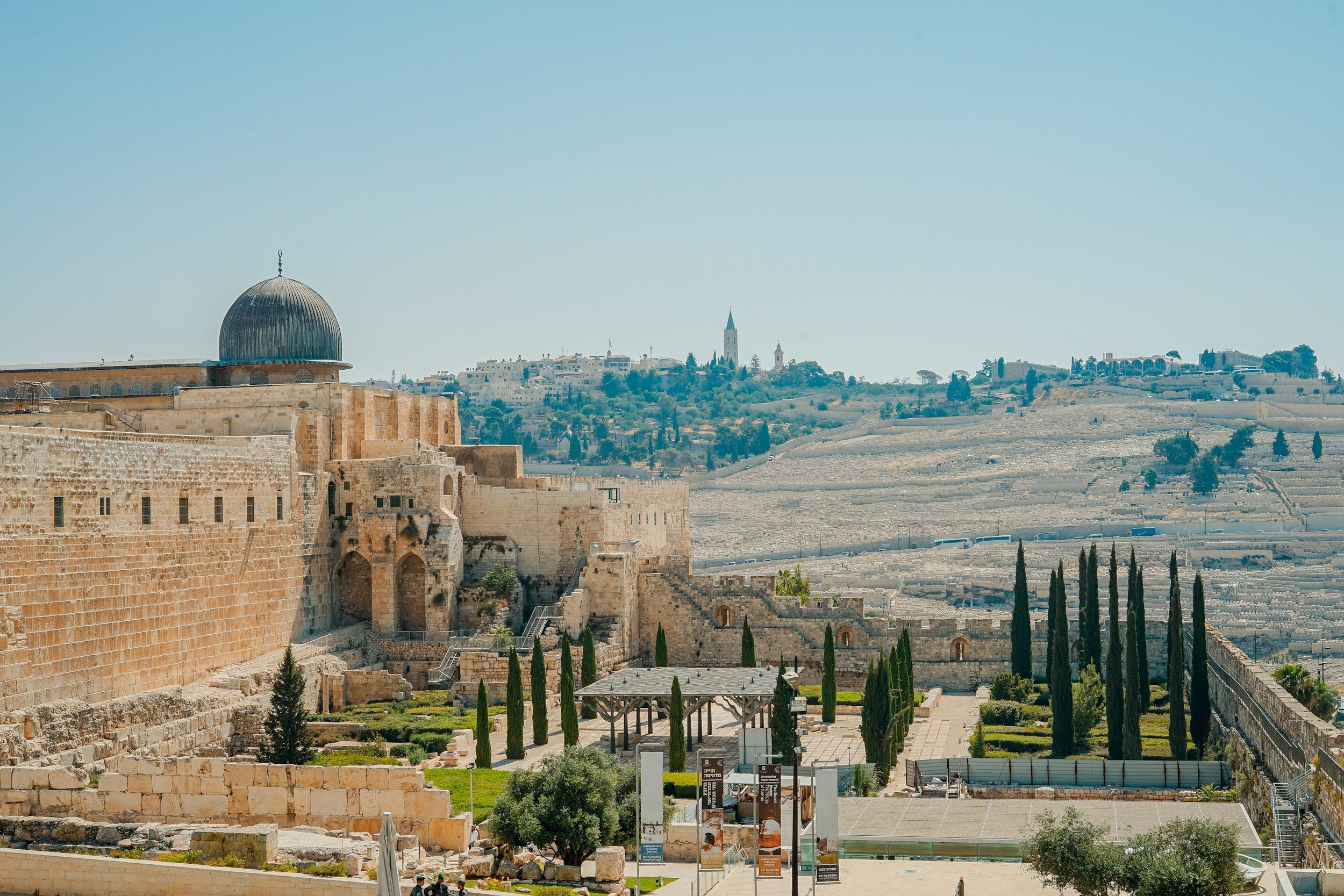
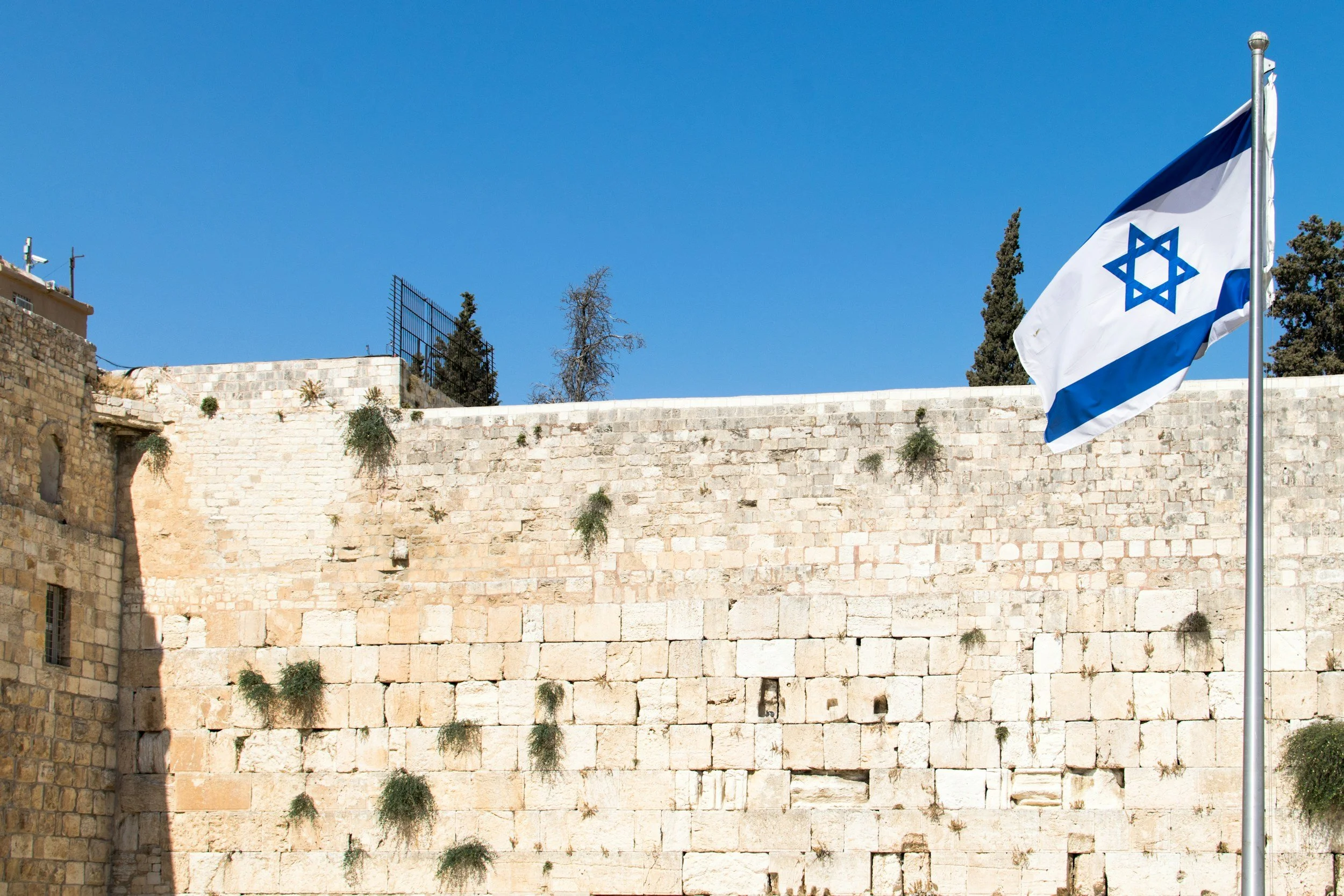
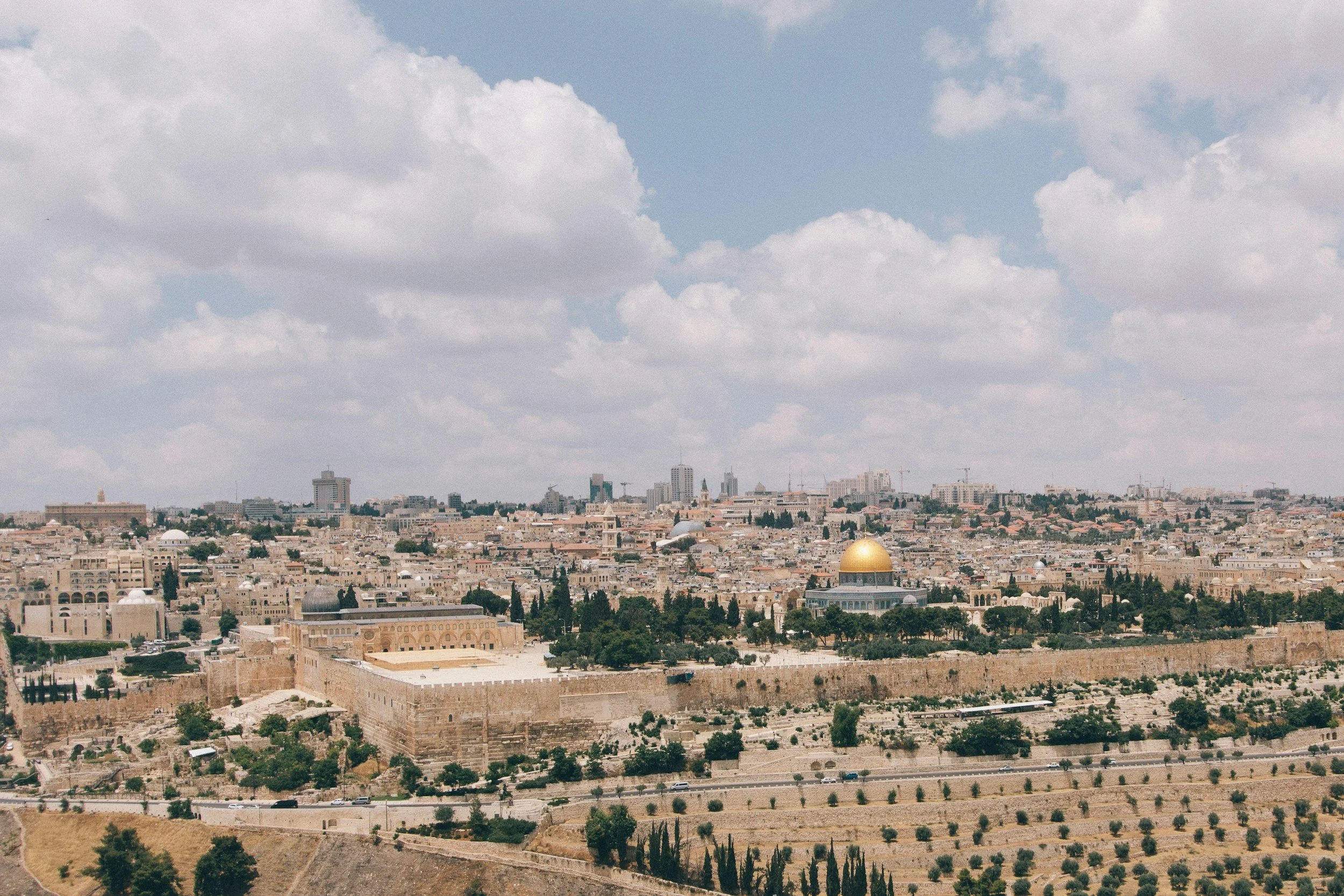
Jerusalem is the capital of Israel.
Established by King David 1000 BCE.
Explore Jerusalem’s history through its geography, archaeology, primary sources, and chronological timeline.
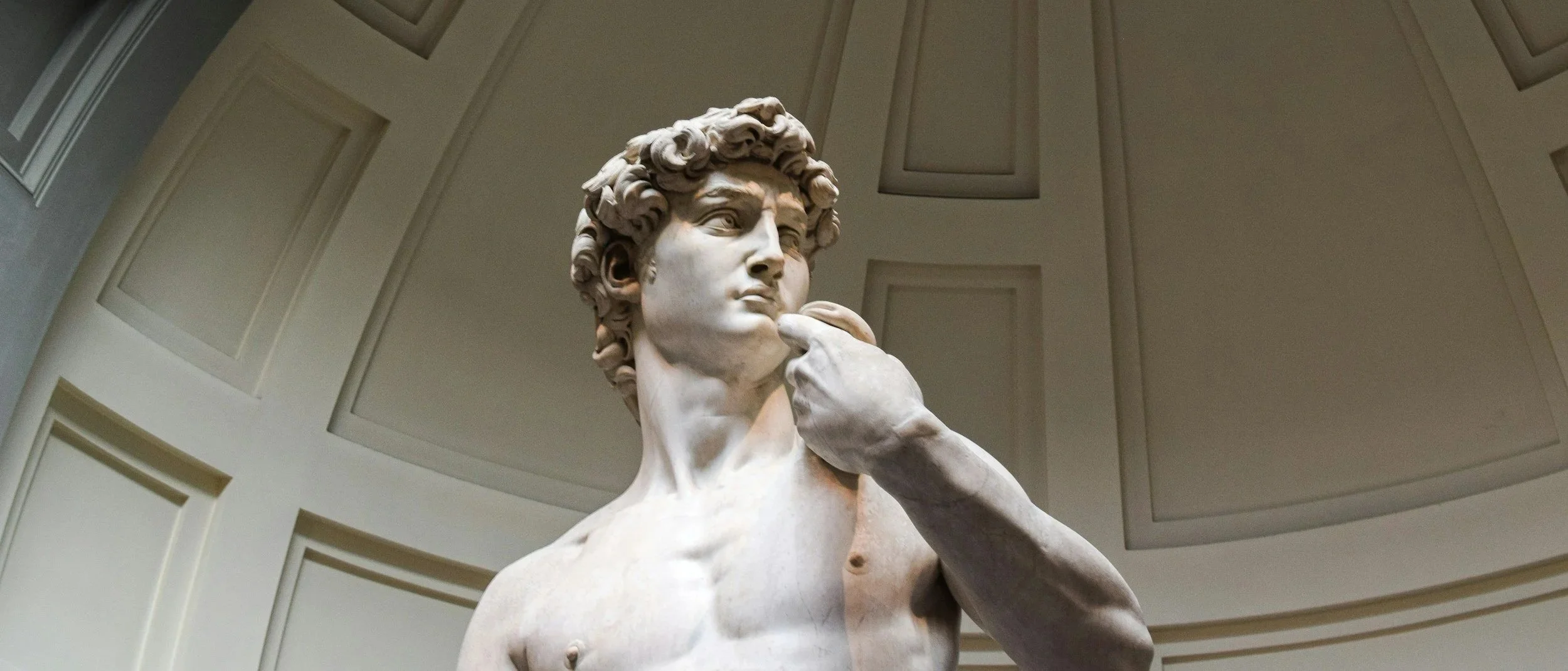
"For David said, 'The Lord God of Israel has given rest to His people, that they may dwell in Jerusalem forever'" - 1 Chronicles 23:25
Building on this 3,000-year-old foundation established by King David, Jerusalem is the eternal and undivided capital of the modern State of Israel. While this image illustrates the ancient and unbroken spiritual bond of the Jewish people to the city, today Jerusalem functions as Israel's sovereign political center. It is the seat of the Israeli government, housing the Knesset (Parliament), the Supreme Court, and the residences of the Prime Minister and President. From antiquity to the present day, Jerusalem has remained the heart of the Jewish nation.
-
Jerusalem is in Israel. It is the official and undivided capital of the State of Israel, serving as the seat of the national government.
-
Jerusalem is the official capital of the State of Israel. It serves as the seat of the Israeli government and is the historic, cultural, and spiritual center of the Jewish people.
-
The government of Israel is entirely based in Jerusalem. The city is home to the Knesset (Israel's parliament), the Supreme Court, the President's Residence, the Prime Minister's Office, and almost all government ministries.
-
No, Tel Aviv is not the capital of Israel. While Tel Aviv is a major financial, technological, and cultural hub, the official and acting capital of Israel has always been Jerusalem.
-
Jerusalem was declared the capital of the State of Israel shortly after the country's founding in 1948. Following the Six-Day War in 1967, the city was reunited under Israeli sovereignty, and the 1980 Jerusalem Law officially cemented complete and united Jerusalem as the capital of Israel.
-
Jerusalem is the capital of Israel because it has been the historic and spiritual center of the Jewish people for over 3,000 years, dating back to the ancient Jewish kingdoms. The modern State of Israel established its government there to reflect this unbroken, millennia-old connection.
-
Yes. Notably, the United States officially recognizes Jerusalem as the capital of Israel and relocated the U.S. Embassy to Jerusalem in 2018. Several other nations have also moved their embassies or established diplomatic missions in Jerusalem, acknowledging its status as the nation's capital.
-
Jerusalem is the largest city in Israel, both in terms of physical land area and total population. It is the demographic and administrative center of the country.
-
Under the 1980 Basic Law: Jerusalem, Capital of Israel, the city is legally defined as the complete and united capital of the State of Israel. The law officially codifies Jerusalem as the seat of the President of the State, the Knesset, the Government, and the Supreme Court, ensuring that the city's sovereign status is embedded in Israel's foundational constitutional legislation.
-
The modern international legal framework began with the 1920 San Remo Resolution and the 1922 League of Nations Mandate. These binding international treaties explicitly recognized the historical connection of the Jewish people to the land and legally mandated the establishment of a Jewish national home. This international legal foundation paved the way for the restoration of Jewish sovereignty in Israel and its historic capital.
-
During the 1948 Arab-Israeli War, the city was attacked, resulting in the illegal occupation of the eastern half of Jerusalem, including the Old City and the Jewish Quarter, by the Jordanian military. During this 19-year occupation, Jews were ethnically cleansed from the Old City, their synagogues were destroyed, and they were barred from accessing their holiest sites, including the Western Wall.
-
In June 1967, the State of Israel successfully repelled foreign military forces and reunified Jerusalem. Immediately following the reunification, the Israeli government passed legislation extending Israeli law, jurisdiction, and administration over the entire municipal area of Jerusalem. This historic reunification ended the illegal division of the city and guaranteed freedom of religion and access to holy sites for all faiths under Israeli sovereignty.
-
The historical, legal, and archaeological record demonstrates that Jerusalem has only ever served as the capital of one nation: the Jewish nation. The period between 1948 and 1967 was the only time in modern history the city was divided by foreign occupation, resulting in the destruction of heritage and the denial of religious freedom. A united Jerusalem under Israeli sovereignty is the only proven framework that protects the city's ancient history while ensuring open access and equal rights for all residents and visitors.